



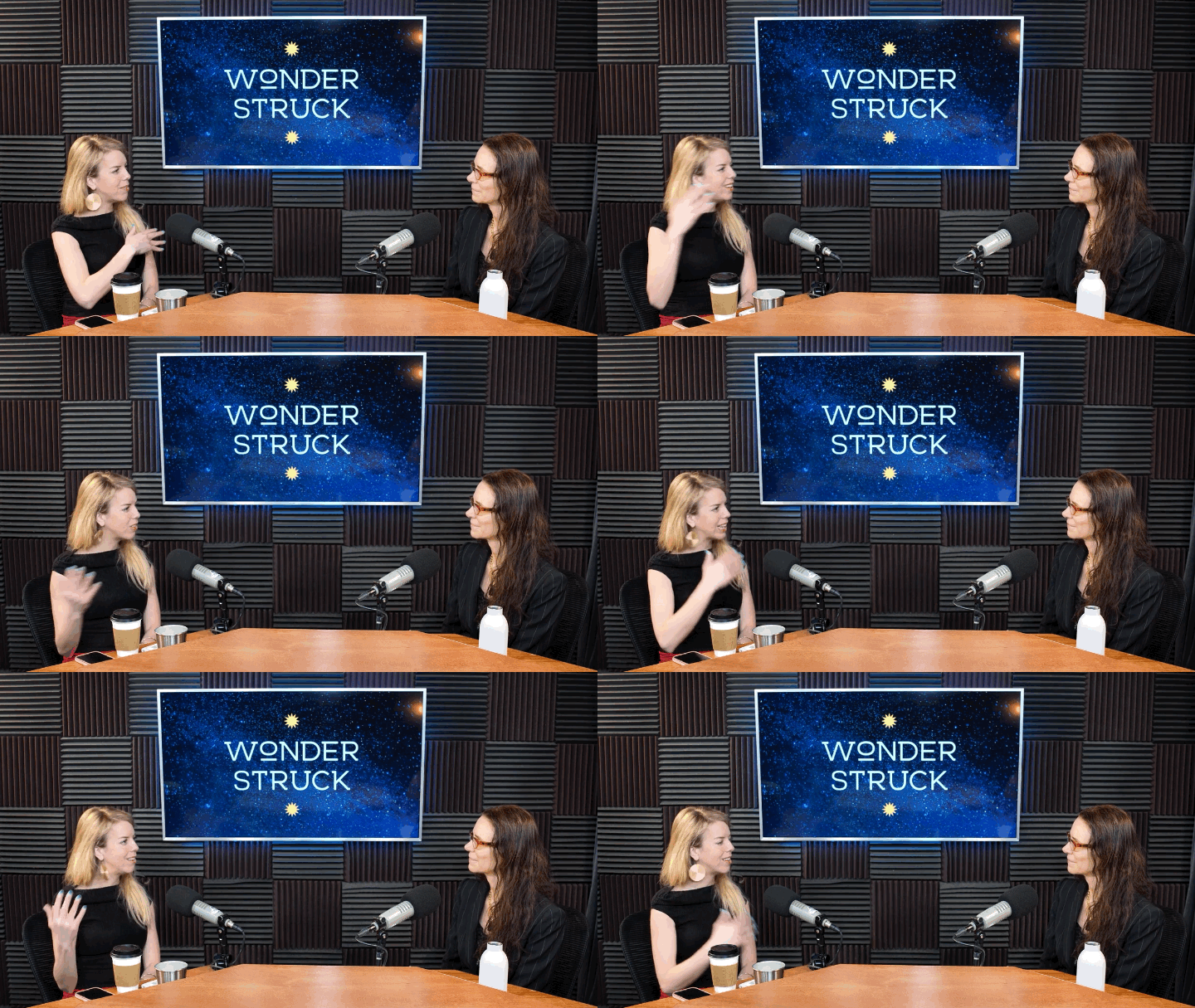
In the lead-up to World Poetry Day on March 21st, I’m in conversation with poet Chelan Harkin. What unfolded was far more than a discussion about poetry. It became a meditation on reality itself and what we’ve lost by flattening it.
Chelan’s poem ‘The Worst Thing’ names something many of us feel but don’t necessarily articulate: that we “stripped the sacred from everywhere.” We took God from the leaf; took dance and song from prayer. We dimmed “Bursting Dazzlement.” We committed to maintaining the ordinary.
This doubling down on the ordinary provides insight into today’s exhaustion and anxiety. Seeing only the ordinary requires constant effort. It requires us to shrink perception, and dull sensitivity and put on blinders. The sacrifice is immense. We split off moments when life feels too big, too strange and too alive; moments that are at once terrifying and beautiful. And in that splitting off, fear and division escalate, while deeper connection and openness to mystery recede.
Author Anita Johnston says emotional repression is like holding a beach ball underwater while smiling, pretending to have fun, and acting like nothing is happening, while in fact, an enormous amount of energy is going into keeping that ball submerged.
Chelan shows us it’s not just our emotions we’re holding underwater. It’s also the extraordinary: the sense that reality is much bigger than we’ve been taught to trust. Holding that down, individually and collectively, is profoundly energy-draining. It doesn’t make us “keep calm and carry on.” It makes us simultaneously revved up and exhausted. Our nervous systems are constantly managing threat and overload while something essential is lacking.
Poetry breaks this arrangement. It lets the beach ball slip past, to rise in a way we can glance, meet, or even catch. It reminds us that there is more here than we’ve allowed ourselves to embrace.
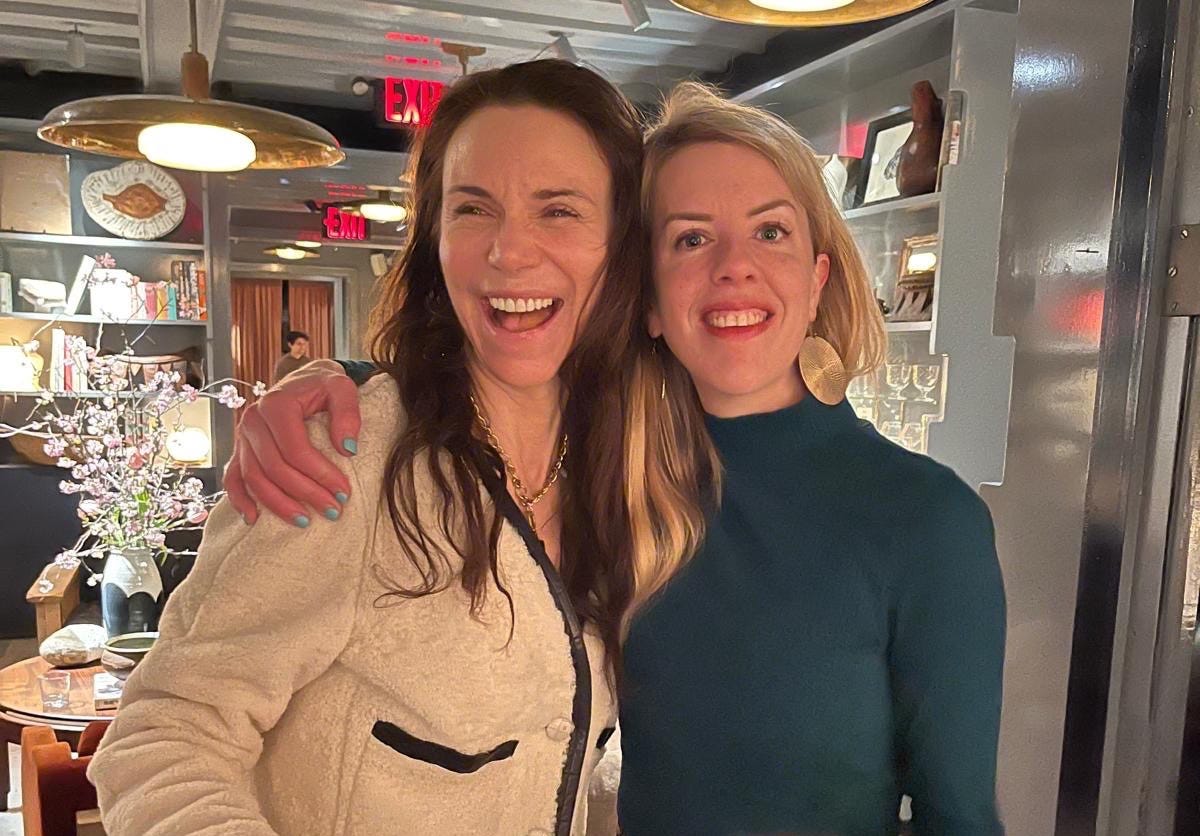
This is where Chelan’s poem Say WOW enters, and where something shifts. One line carries the whole thing for me:
“Feed yourself fire.”
This fire is not discipline or self-improvement. It’s allowing ourselves to be fed by awe or by WOW itself. When we open to the beautiful, humbling, and even the uncanny, that feeds us fire. And that fire melts armor and pre-conditioned limits. It vaporizes the stories we’ve been using to keep ourselves and our world divided and small. We won’t sail off the edge, even if it feels like it.
This is how limitations unfold into possibility not through willpower, but through contact.
Chelan speaks about how her life began to change when she started praying to live fully and to be in service of life, for herself and others.
Her story gives me chills because it doesn’t fit neatly inside the flat world.
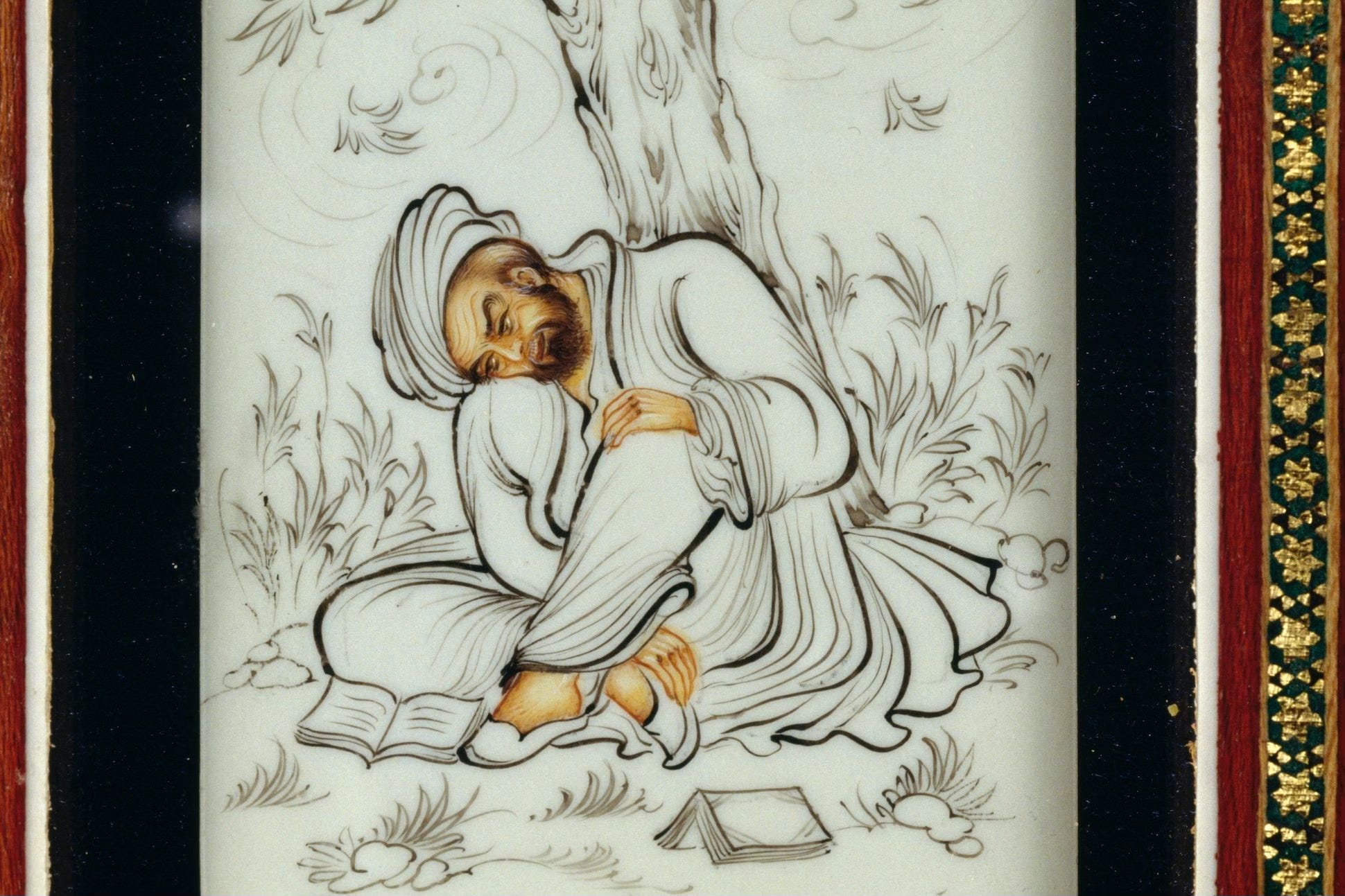
A poem by the 14th Century Persian poet Hafez unlocked something in Chelan. She began speaking to Hafez directly as a living presence and praying. She asked for help. For the ability to express what was within and what she was receiving. Something answered as poems began coming through her with a force and clarity. She wasn’t trying to write “good poetry.” She was engaging and listening. Taking dictation from somewhere she couldn’t quite name.
This is where the story crosses into territory the flat world doesn’t like. Daniel Ladinsky, the reclusive poet-author, reached out to her. Ladinsky is renowned for bringing Hafez’s poetry into the modern world as transmission rather than literal translation. Though he lives largely as a hermit, he contacted Chelan. Recognizing something in her work, he became a mentor, helping her publish The Prophetess, which stands in conversation with The Prophet by Kahlil Gibran.
Chelan tells this part of the story with humility, gratitude, and a little fear. Because when things align this quickly, it destabilizes the familiar.
And it raises questions:
What if prayer isn’t wishful thinking, but a form of listening?
What if poetry is expression, but also response?
What if consciousness isn’t sealed inside us, but moving, relational, responsive?
This isn’t concretized manifestation culture. It’s participation. Chelan says it’s like riding an E-Bike!
Participation means pedaling, even though there is a motor. Moving through fear and meeting grief and facing all the reasons we didn’t move before. There is loss and mourning for the lives we almost lived. The alchemy of this suffering isn’t about getting back what we lost; it’s about increasing our experience for shared aliveness and to stay present as reality gets bigger.
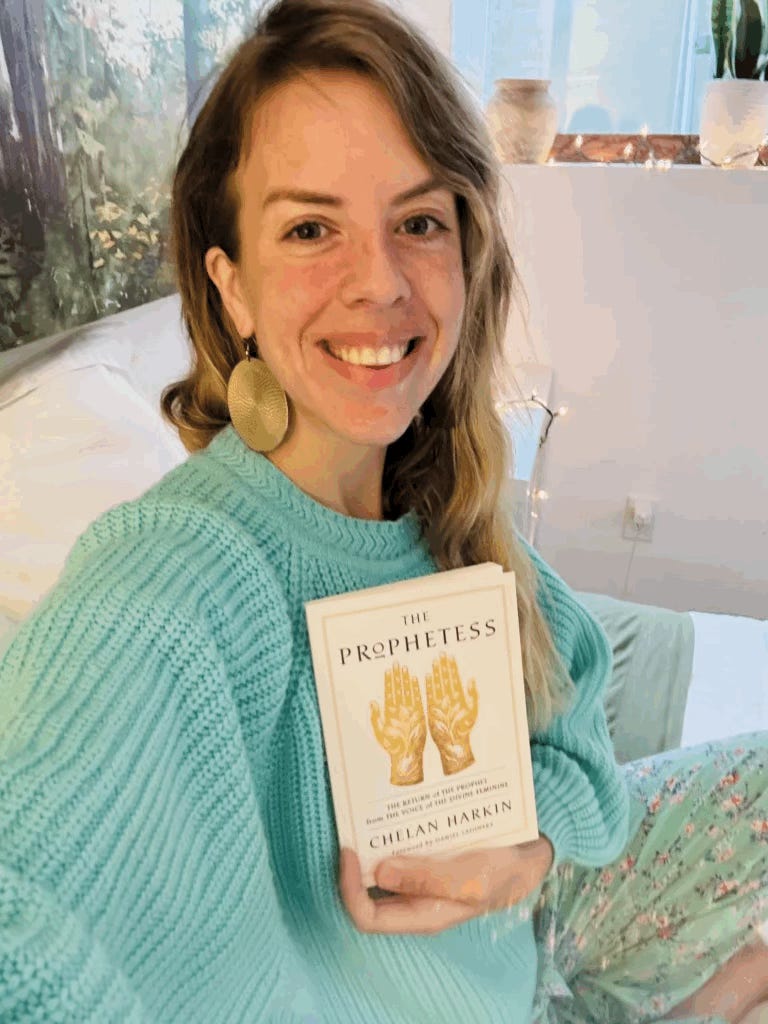
Chelan writes in The Prophetess, “We are here to touch the tender cheek of reality.” Reality, she says, is an inner environment animated by Life with a capital L. Not fear, not conditioning, not who we think we should be. She then quotes:
“The moon would be much less alluring if she only knew the luminous side of her wholeness.”
This is a call for community, to be midwives who help each other come into being. Friends. Living poets. Dead poets. Nature. God. Those beings who help us stay oriented when the fire gets bright.
Chelan lives that orientation. Her experience supports the theory that consciousness is primary, not derivative; that life meets us when we stop hiding.
This is what Wonderstruck is devoted to. Not fixing ourselves, but restoring contact with each other, with Beauty, with Reality. Being alive and responsive in reality, not flat or just material.
Underneath all of this is a question that won’t leave me alone:
Why would we be here if not to fully participate in being alive?
Poetry is Reality’s muse and the Communication of Consciousness. That’s why I’m paying attention.
- Keep your ears open, Elizabeth

Did you know:
✦ The Hafez poem that awakened Chelan is called “You Don’t have to act Crazy anymore”. In essence, it is a call to stop fighting oneself and to embrace the peace that comes from living in alignment with one’s divine nature.
✦ As poet Jorie Graham says, poetry connects us - to each other and to the cosmos. Poetry is a way of staying awake and of hearing “the echo of another voice” in a fragmented world.
✦ Diane Ackerman, poet and naturalist, writes about nature and human nature and “about that twilight zone where the two meet and have something they can teach each other.”
✦ John O’Donahue, a favorite poet of mine, talks about a “pedagogy of interiority”, a way of learning how to live by turning toward the inner landscape of the soul.
✦ David Whyte, the Anglo-Irish poet, founded Invitas: The Institute for Conversational Leadership, where he applies the wisdom of poetry to group work with individuals and organizations.
We’d love to know what you think of the episode. Drop us a comment on YouTube, Apple Podcasts, Spotify, Instagram, or here on Substack. Thanks for listening with us.

I love all of Chelan's poetry, and The Prophetess is a beautiful book with passages that have changed my entire view of "reality." Thank you so much for this post and the podcast!