



What if our dreams are not simply products of the imagination, but a way the living world speaks through us?
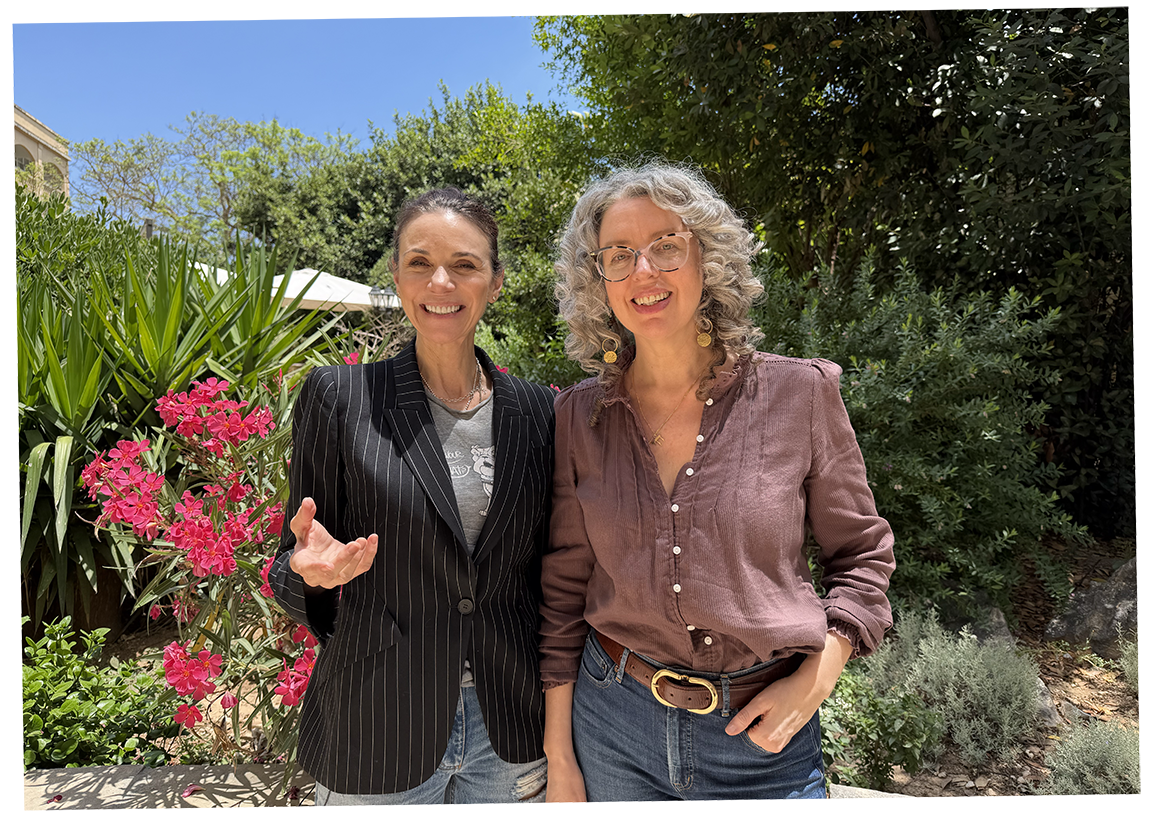
This question stayed with me during my recent conversation with dreamworker, author, and teacher Toko-pa Turner, recorded in Malta, a landscape steeped in ancient mystery.
Not far from where we sat lies the Ħal Saflieni Hypogeum, an extraordinary underground sanctuary carved into limestone more than 5,000 years ago. Remarkably, Toko-pa had dreamed of this place in her twenties, long before discovering its existence. In her dream, she encountered subterranean chambers, a spider, and a healing light which was an experience she understood as a kind of initiation.
It felt like a fitting place to begin our conversation about dreams, synchronicity, and the mysterious relationship between our inner and outer worlds.
Drawing on Sufi mysticism and Jungian psychology, Toko-pa introduced us to the imaginal: a realm between the physical and the divine, explored by the great Sufi mystic Ibn Arabi and later illuminated by the philosopher Henry Corbin, who called it the mundus imaginalis. Drawing on the Persian mystical tradition of Suhrawardi, Corbin also explored the idea of Na-Kojā-Ābād, the “country of nowhere”not because it is unreal, but because it lies beyond the geography of our ordinary senses.
What if imagination is not simply something we create in our minds, but also a way of encountering dimensions of reality that our ordinary senses cannot apprehend?
I was particularly struck by Toko-pa’s description of dreaming, meditation, music, and devotional practices as ways of opening ourselves to this realm. The imaginal is not simply something we think about. It is something we participate in.
One of my favorite ideas from her work is:
“Wisdom is not something you know. Wisdom is something that knows you.”
I love that reversal. We tend to think of wisdom as something we acquire through knowledge, experience, or effort. But what if wisdom also comes toward us, through dreams, synchronicities, beauty, and encounters we cannot entirely explain?
Toko-pa approaches dreams as a midwife, helping bring into consciousness what has been waiting to emerge. Even nightmares, which we instinctively want to escape, have something valuable to reveal. Rather than dismissing what frightens us, we might ask what is asking for our attention.
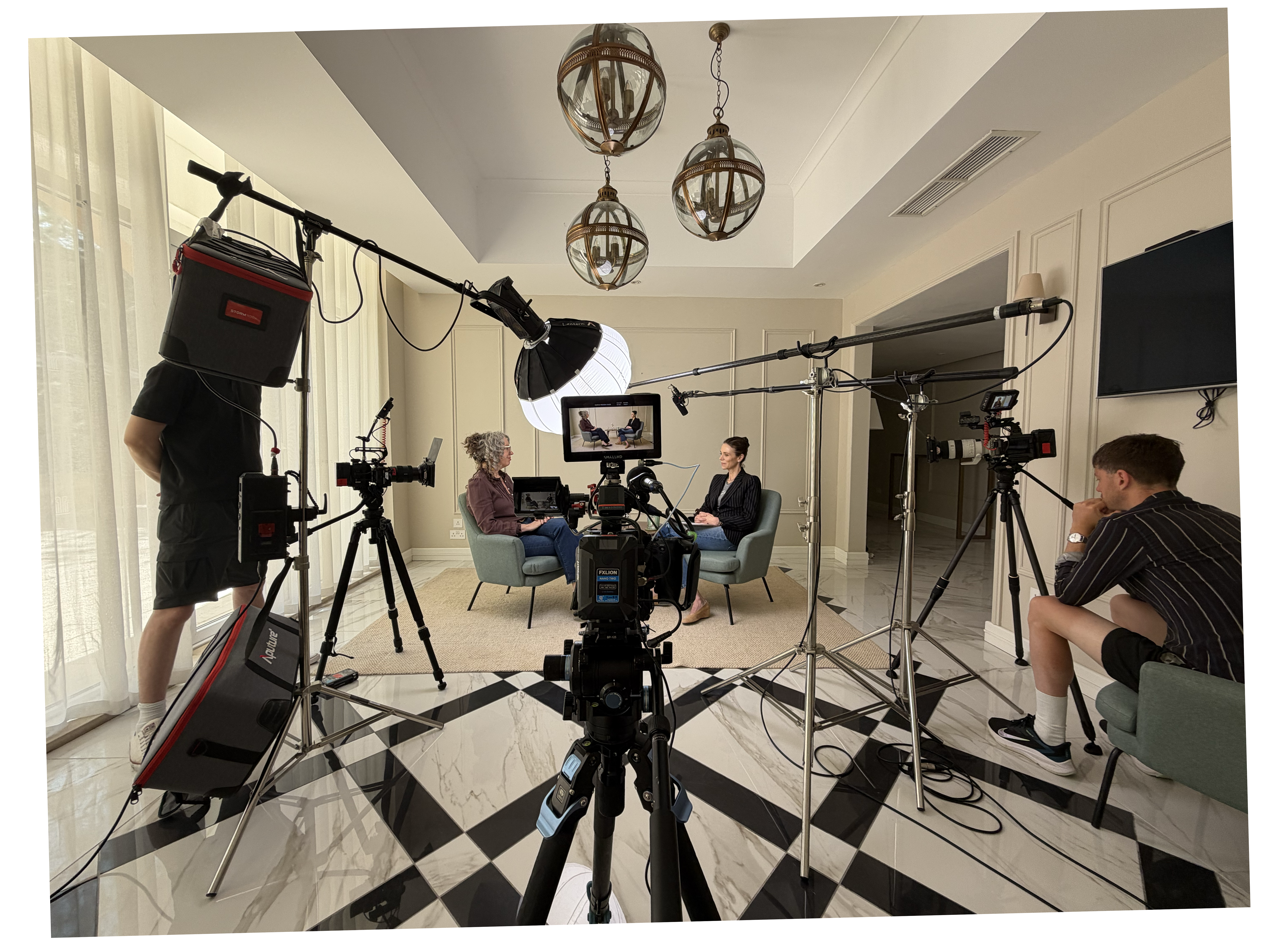
We also spoke about metaphor and the etymology which is carry across. Perhaps that is precisely what dreams do. Their images become bridges, allowing us to encounter something familiar in an entirely different way, opening possibilities that ordinary language and rational thought cannot reach.
And throughout our conversation, we returned to an idea I find especially compelling:
Reality is participatory.
The world is something we are continually in relationship with. What if our attention, imagination, and capacity for wonder help shape how reality reveals itself to us?
At a time when so much of our attention is consumed by information, anxiety, and the relentless demands of modern life, perhaps reclaiming our relationship with dreams and the imaginal is more important than ever.
Toko-pa encourages a simple practice of noticing ten beautiful things each day, as a way of becoming more deeply attuned and resonant with Beauty.
Perhaps wonder begins there: in learning to notice what has been speaking to us all along.
With wonder,
Elizabeth
What a wonderful post about reality and the imaginal! Day dreams, nocturnal dreams, both have wisdom that we can tune into to enrich our lives. Looking forward to viewing the video.