



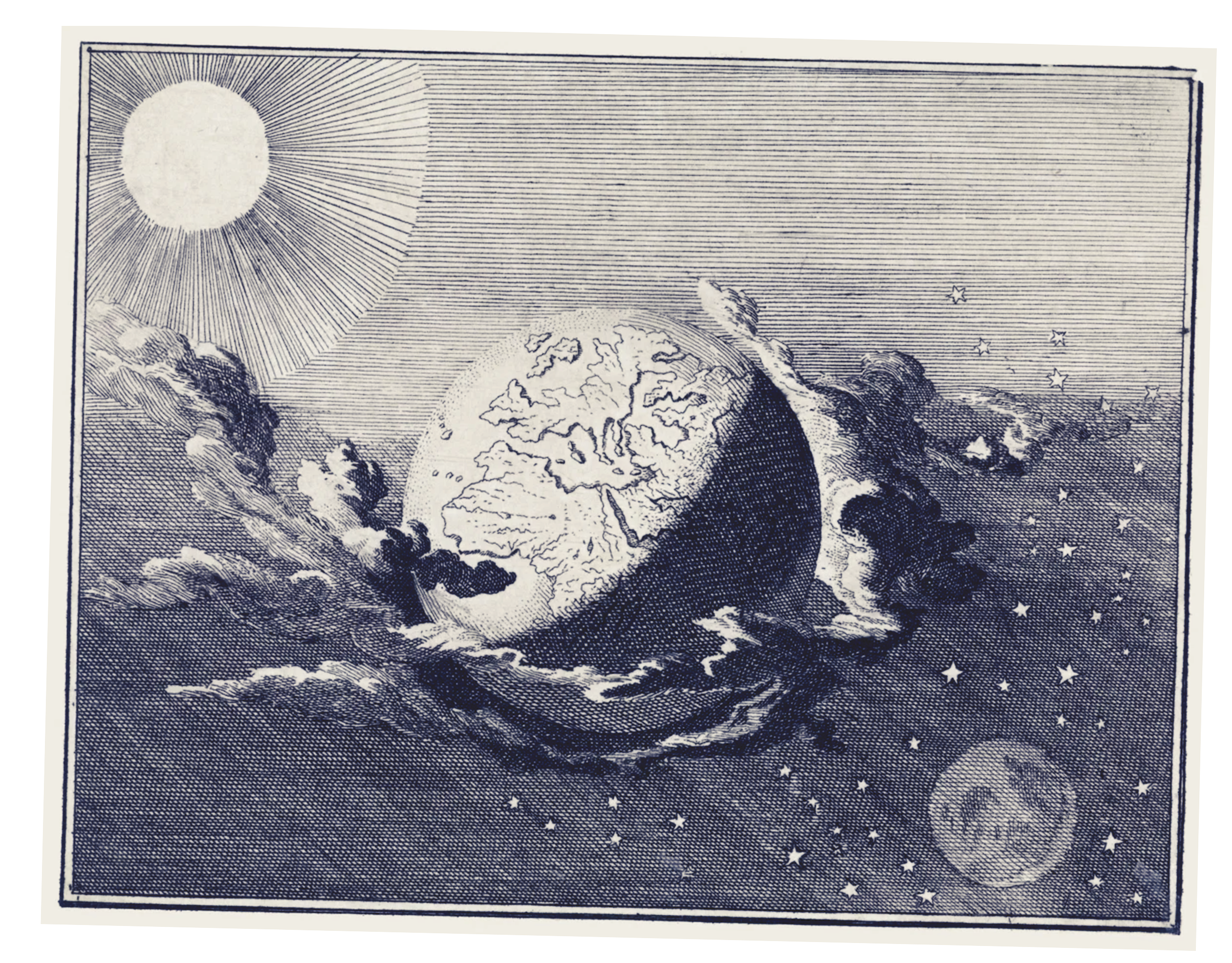
“And still, after all this time,
The sun never says to the earth,
‘You owe Me.’
Look what happens with
A love like that,
It lights the Whole Sky.”
Hafiz rendered by Daniel Ladinsky
Take a look at any modern calendar and you will see the weekly repetition of Sundays. For those of us enamored with the sun and the way it seems to love us back with light and warmth, there is a very special Sun Day that we celebrate no matter what day it falls on. That would be the Summer Solstice, and in the northern hemisphere this year, it falls on Sunday, June 21.
Some will witness the dawn of the longest day at Stonehenge, where ancient sun-worshippers built what appears to be a stone calendar that still mystifies us. Elizabeth and the Wonderstruck® team will be in Malta, where the solstice is observed in Neolithic temples, Ħaġar Qim and Mnajdra.
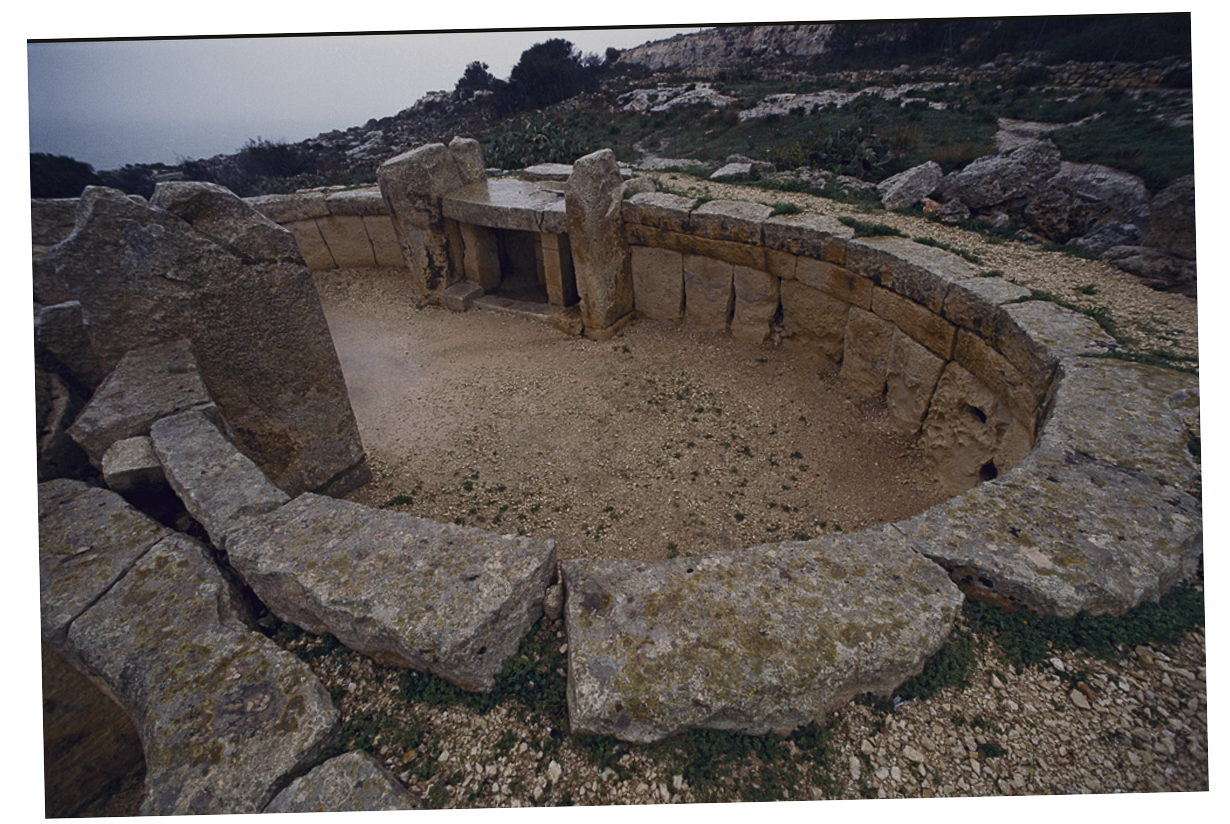
Here, light enters inner chambers where the progression of the sun is etched across the walls in patterns too measured to be random. Archaeoastronomer Dr. Tore Lomsdalen recognizes these sites as intentional “viewscapes.” He believes the temple culture in Malta planned structures with regard to the whole field of vision around them. This intervisibility included other temples on distant hilltops, the shape of the coastline, the line of the horizon, and the paths of the sun, moon, and stars across the sky.
While we are in Malta, Elizabeth is hosting a symposium that will create a metaphorical temple to contemplate Reality: How It Eludes Us. Our viewscape will provide us with different vantage points for seeing what is emerging beyond inherited maps of what reality is, how it’s validated, what it leaves out, and what we might discover in the hinterlands.
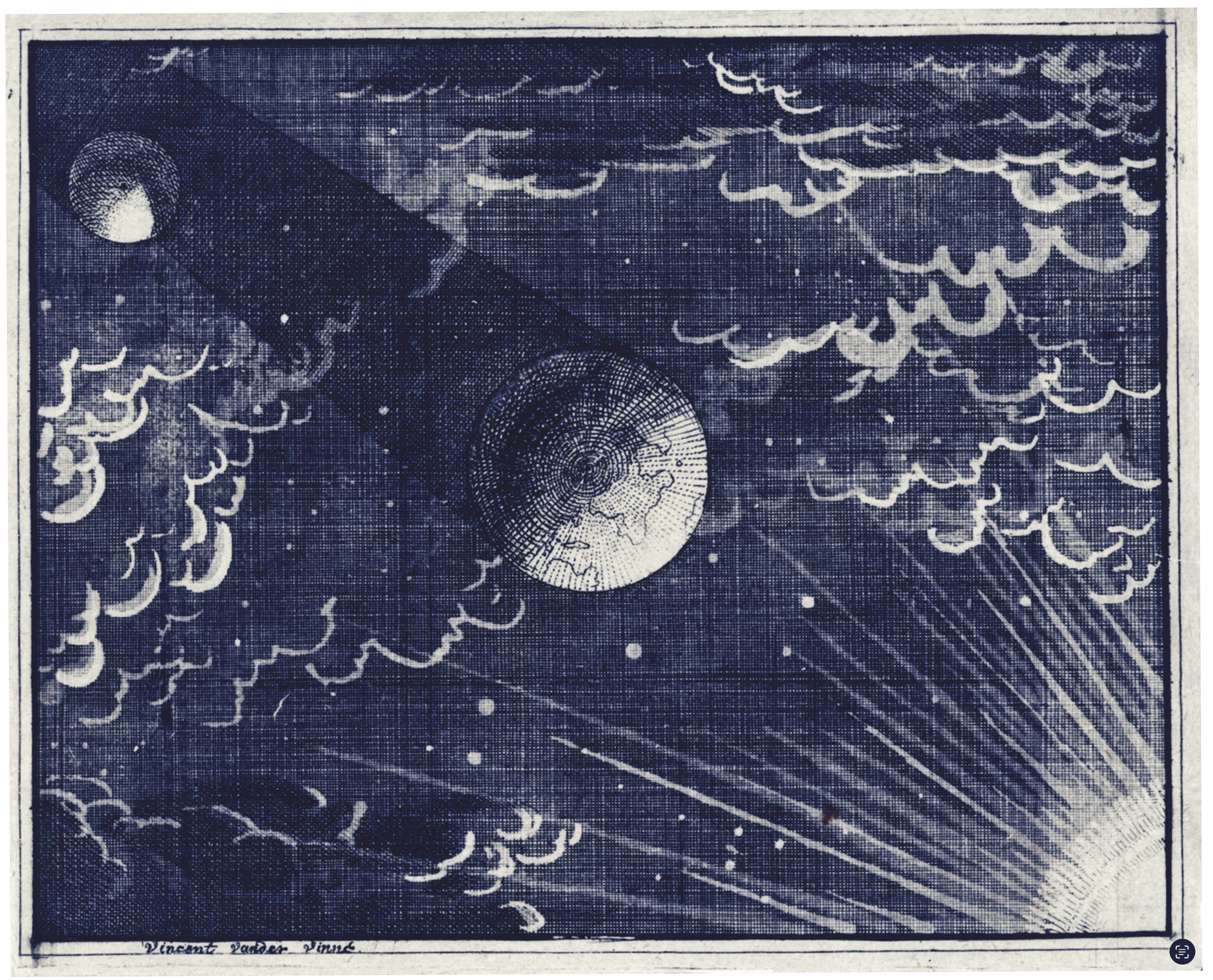
In this temple of contemplation, the pillars of science, technology, and religion cast their light of authority on what is real. Below the surface, dreams, memories, and encounters with death give rise to a different kind of truth, one rooted in intuitive wisdom. Out along the horizon, mind and spirit mingle in liminal spaces where creativity sparks and anomalous experiences blur the border between fact and fiction, widening our viewscape. In this layered philosophical place, thought-leaders from a wide range of inquiry gather, adding their voices to a hum of conversation and connection.
The timing of our event during the summer solstice is also symbolic. In astronomy, it’s the moment the sun reaches its highest point in the sky and seems to stand still before the onset of shorter days.
Our symposium is a shared pause to ponder the question Elizabeth poses: “If reality is not what we assume it to be, then what or who are we inside it?”
It’s an invitation to wonder at a deeper level, where a love of inquiry and freely offered discourse cast a light on what becomes possible when we meet the unknown with curiosity instead of certainty.
Whenever a candle is lit, others are illuminated in its glow. In that spirit, we’ll be sharing these conversations with the Wonderstruck community in an upcoming video series, along with highlights on our social channels. Stayed tuned for more to come!
Did you know: The Maltese archipelago, made up of Malta and Gozo, contains at least 20 known Neolithic temples, with seven of them collectively designated as a UNESCO World Heritage Site.
Did you know: On Malta, the Ħal Saflieni Hypogeum is a prehistoric underground burial and ritual complex believed to have linked the worlds of the living and the dead. Its mysterious Oracle Room is renowned for its powerful acoustics; certain vocal tones resonate throughout much of the complex, making it a fascinating subject of archaeoacoustic research. While its true purpose remains unknown, some interpret it as a liminal space associated with symbolic rebirth into the earth or dream-like ritual experiences. The renowned “Sleeping Lady” clay figurine was discovered here.
Did you know: Historians believe that Gozo was known as Ogygia in Homer’s Odyssey. It’s home to Calypso’s Cave, where the nymph is said to have detained Odysseus for seven years before he continued his journey, making this small archipelago an important archaeological and literary landmark in the Mediterranean.

I live in the Southern Hemisphere. I'm waiting for the spring equinox.
It’s grounding to realize the cultural and historical practice of honoring the sun and nature.