



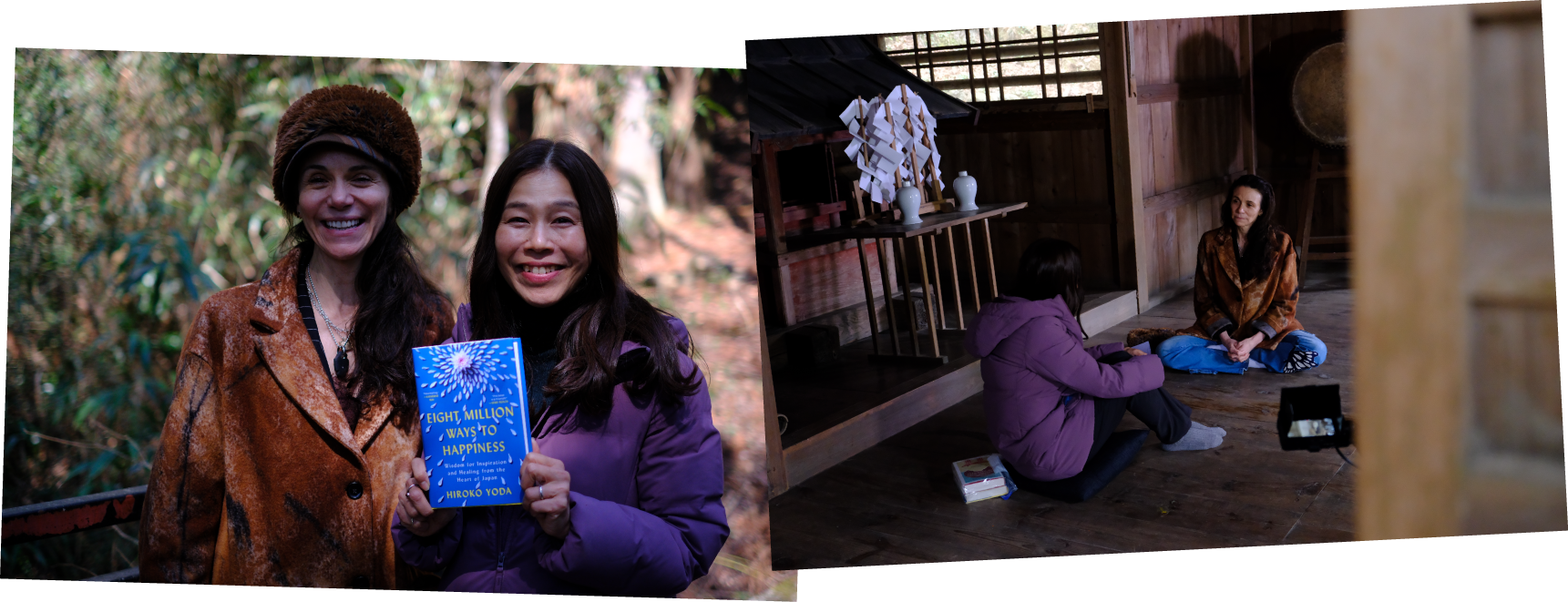
We recorded the episode this month inside a Shinto shrine in Kumano, a network of ancient shrines and pilgrimage routes winding through the mountains of southern Japan. The setting felt as alive as the conversation itself, the air carrying a quiet sense of presence.
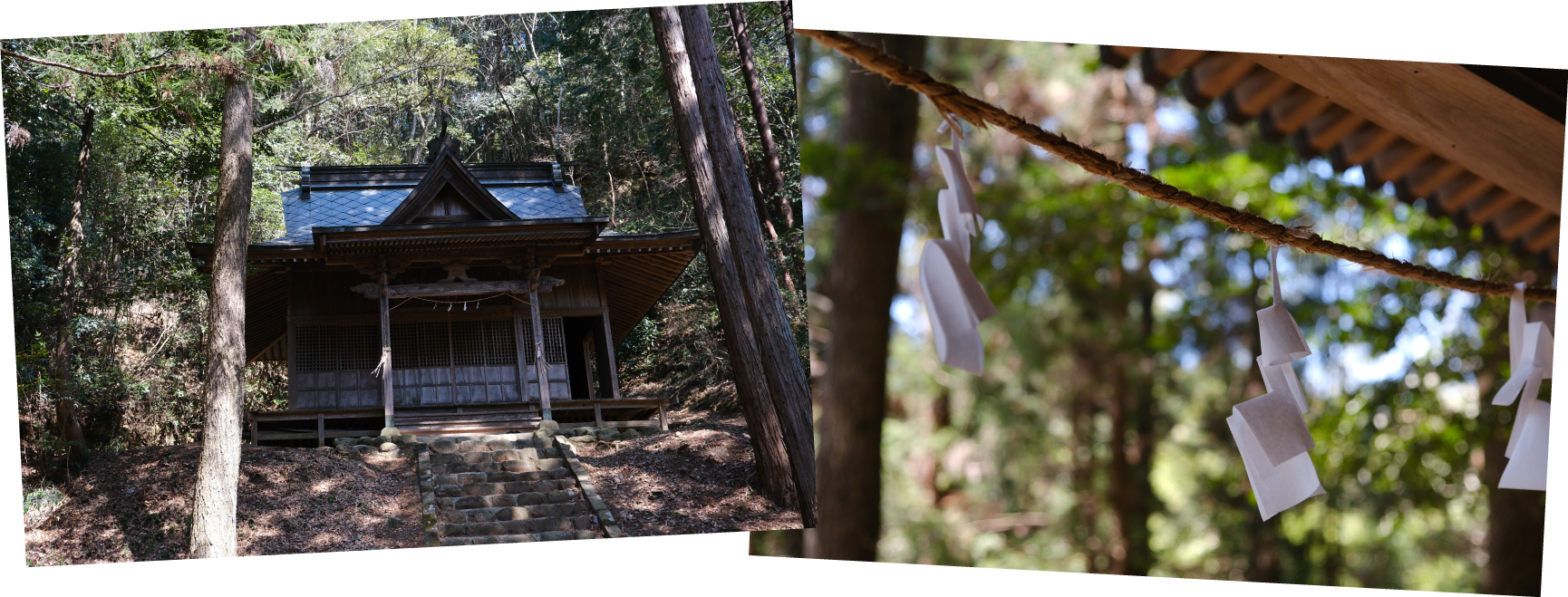
In this episode, I speak with Hiroko Yoda about her new book “Eight Million Ways to Happiness,” a title drawn from the Japanese belief in eight million spiritual beings, or kami. Often translated as “spirit,” kami might be better understood as presences: something sensed in the light shifting through a torii gate, the movement of wind through leaves, the feeling that the world is quietly alive around us.
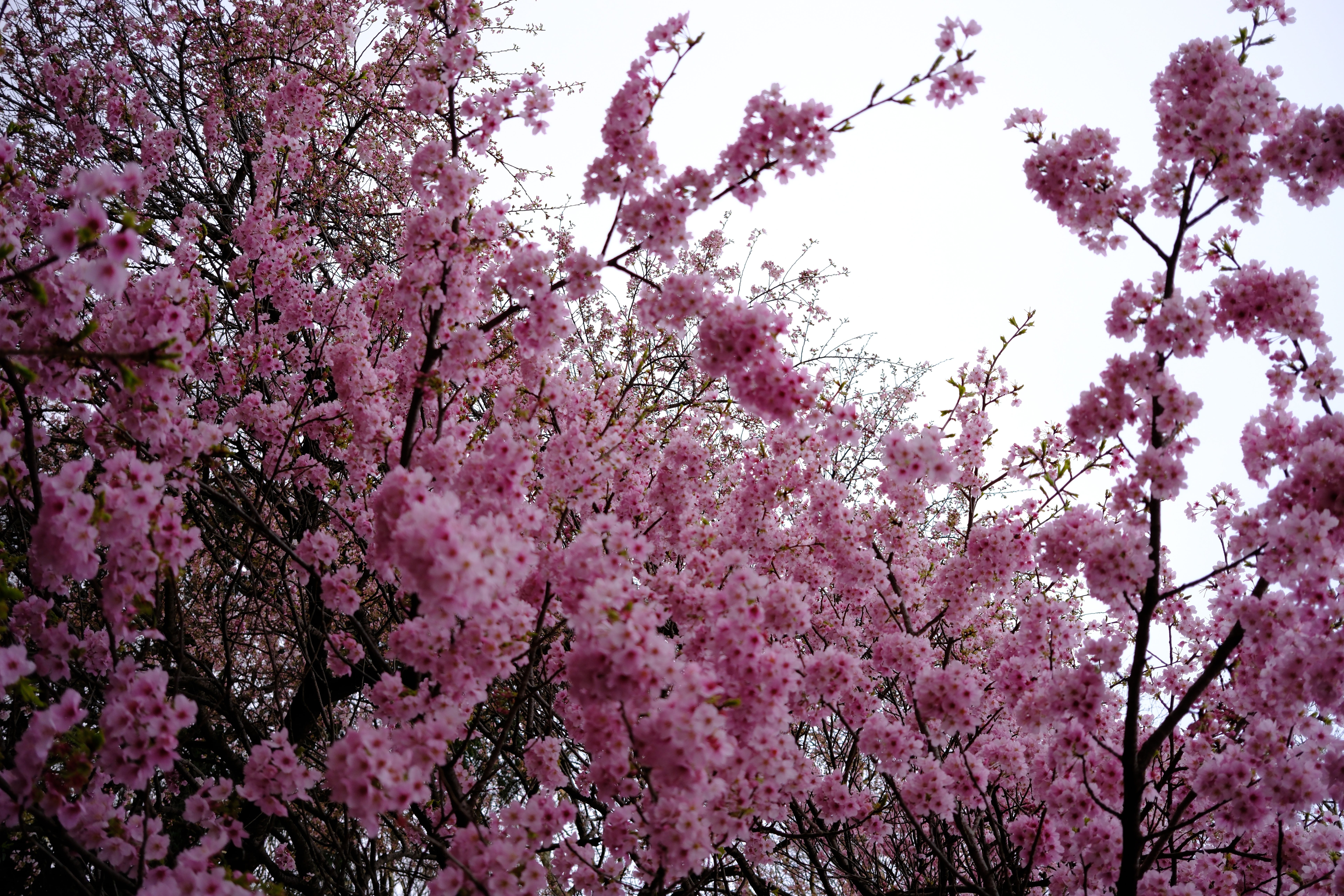
While in Japan with my family during spring break, cherry blossoms, sakura, were in full bloom. Their brief life, sometimes only days, is a poignant reminder of impermanence and beauty. Their fragility does not diminish their significance; it heightens it. The ephemeral nature of sakura feels like an invitation to pay attention.
Hiroko shared the concept of hanshin hangi, half belief, half disbelief. A way of engaging mystery without needing certainty. Experiencing something fully without needing to resolve whether it is objectively real. Perhaps meaning itself is a form of reality.
We discussed the Itako shamanesses of northern Japan, who are said to communicate with the spirits of the deceased. Whether one believes this literally may be beside the point. Hiroko described hearing her late mother tell her to live fully. The experience was transformative.
In Japan, the idea of eight million kami is not a literal number but a poetic way of saying infinite. Everything holds presence. Even these presences are not always purely benevolent. Some are mischievous, ambiguous, or unpredictable. The world is alive in complex ways.
We also touched on Kumano, known for radical inclusiveness. There is a saying:
“To step into Kumano is to step into yourself.”
Perhaps the most difficult journey is not across mountains, but inward, toward the parts of ourselves we rarely encounter in stillness.
While in Japan, we also experienced a personal loss. Our beloved little brown cat, Leonardo da Vinci, died just days before his eighth birthday. He was a deeply loving companion who faithfully kept watch over our home, often bringing small toy offerings as gifts.
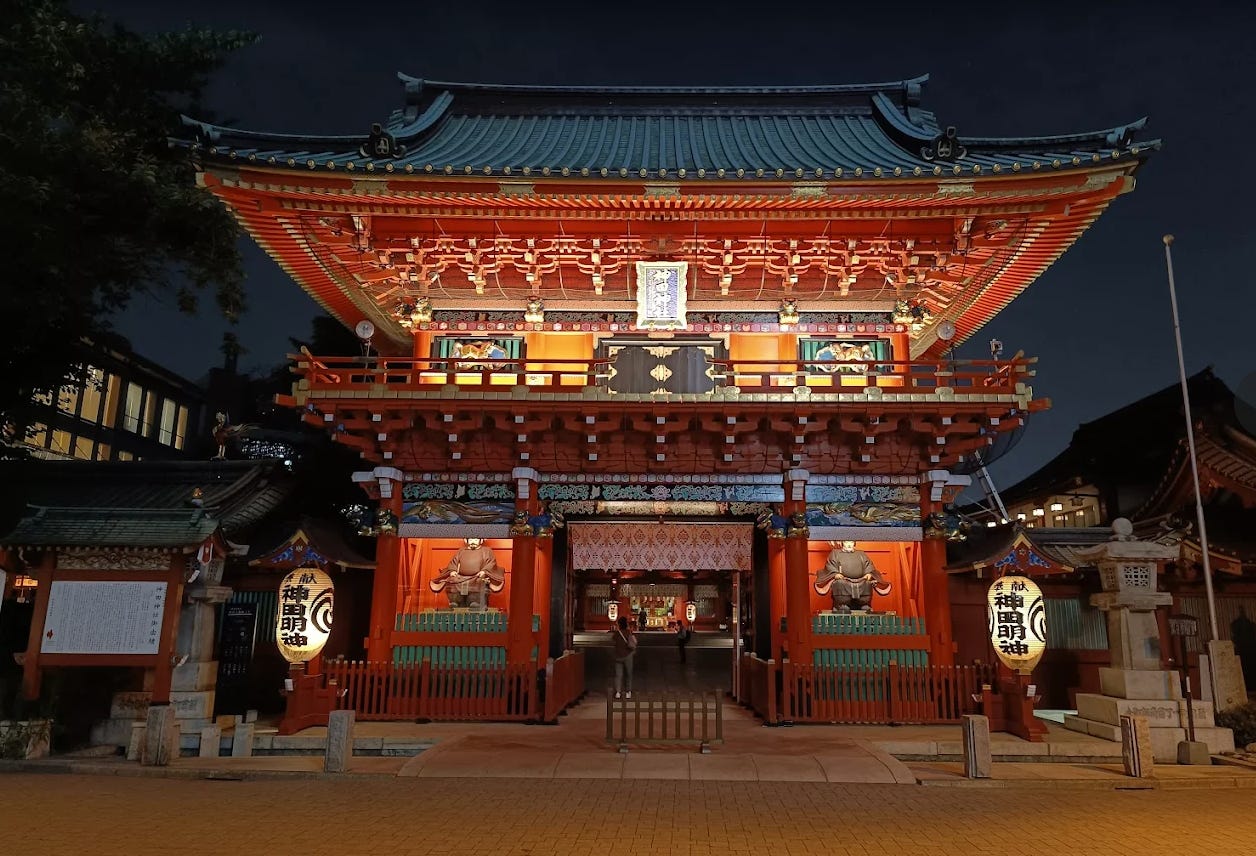
The day after he passed, we visited a shrine where a priest offered prayers for family protection and for the peaceful transcendence of Leo’s spirit. The moment felt quietly meaningful, a reminder that love leaves an imprint, and that relationship does not simply disappear.
The poet Saigyō once wrote:
“Let me die in spring
beneath the cherry blossoms
while the moon is full.”
Moments of beauty and loss often coexist.
In Miyazaki films, you often glimpse this same sensitivity, wind moving through grass, small presences just beyond perception, the sense that life is more animated than we tend to notice.
Perhaps enchantment is simply this, learning to perceive what has always been present.
I hope this conversation with Hiroko Yoda invites you to experience the world with more attentiveness, curiosity, and openness to mystery.